Case Studies & Customer Success

See how our solar solutions have transformed homes and businesses across Tampa Bay

4.79/5 Overall Rating

Based on 719 verified reviews

Solar Pool Heating for Kids, Seniors, and Anyone Who Hates Cold Water

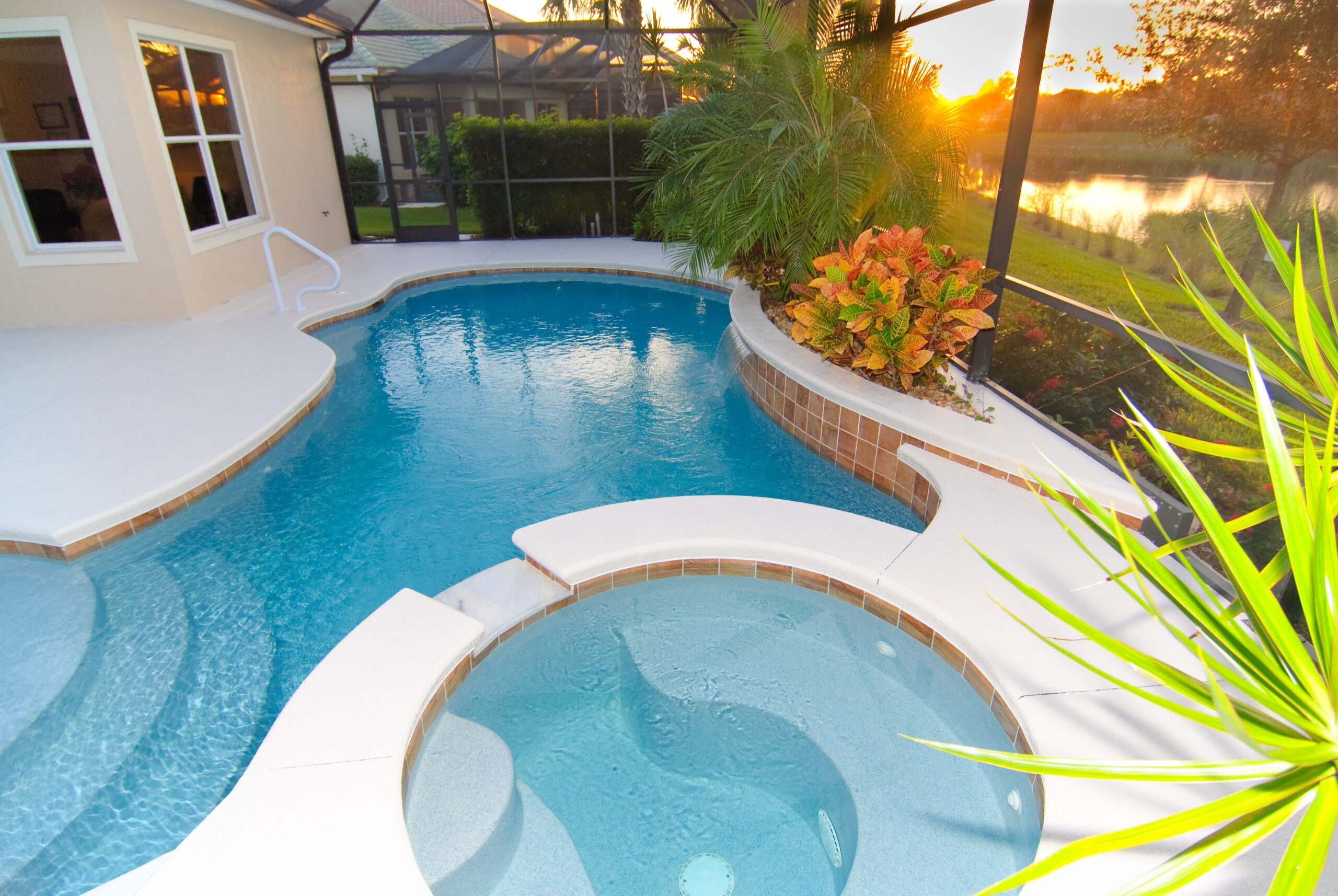
A backyard pool should be one of the easiest parts of Florida living. In the Tampa Bay area, we have the sunshine, the warm afternoons, and the kind of weather that makes people want to spend more time outside. For many families, the pool is where kids play after school, grandparents relax during visits, and friends gather on weekends

But even in Florida, pool water can still feel too cold.

That may sound surprising until you see how people actually use the pool. One person jumps in and says it feels fine. Someone else puts a foot in, makes a face, and decides to stay on the patio. Kids may love the idea of swimming, but if the water feels chilly, they may not last long. Older family members may want to enjoy the pool, but cold water can make getting in uncomfortable. Guests may admire the pool all afternoon and never actually swim.

That is where solar pool heating becomes less about luxury and more about comfort, usability, and getting more enjoyment from the pool you already own.

A Comfortable Pool Gets Used More Often

Many homeowners think of pool heating as something extra. In reality, comfort has a major impact on how often your pool gets used. If the water feels too cold, the pool becomes something you look at instead of something your family enjoys.

This is especially true during the times of year when Tampa Bay weather feels warm, but the pool has not fully caught up. Spring mornings, breezy afternoons, cloudy days, and cooler evenings can all make the water feel less inviting. Even during warmer months, a pool that is shaded or exposed to wind may not feel as comfortable as expected.

Solar pool heating helps by using Florida sunshine to warm the pool water naturally. Instead of waiting for the hottest days of the year, your family can enjoy more comfortable water more often.

Why Kids Benefit From Warmer Pool Water

Kids are usually the first ones asking to swim, but that does not mean they enjoy cold water. A chilly pool can turn a fun afternoon into a quick dip, especially for younger children who may get cold faster than adults.

When the water is more comfortable, kids are more likely to stay in longer, play more, and actually enjoy the pool. That can make a big difference for families who want the backyard to be part of everyday life instead of something that only gets used on the hottest days.

Warmer water can also make swim lessons and practice time easier. Whether a child is learning to swim, building confidence, or simply spending more time being active, a comfortable pool can make the experience more enjoyable.

For Tampa Bay families, that matters. The pool is not just a place to cool off. It can be part of family time, exercise, confidence building, and outdoor fun.

Why Seniors and Guests Often Prefer Warmer Water

Cold water can be uncomfortable for anyone, but seniors and cold-sensitive swimmers may feel it more. For some people, stepping into chilly pool water can be enough to keep them from swimming altogether.

A warmer pool can make the experience feel more relaxed and welcoming. Grandparents visiting for the weekend may be more likely to join the kids in the water. Guests who normally sit on the edge may feel comfortable getting in. Family members who enjoy gentle movement or low-impact exercise may be able to use the pool more consistently.

That is one of the biggest benefits of solar pool heating. It helps make the pool feel more accessible to more people.

The goal is not just to make the water warm. The goal is to make the pool easier to enjoy.

Common Reasons People Avoid Cold Pool Water

Every family has someone who hesitates before getting in the pool. Sometimes it is a child who says the water is too cold. Sometimes it is a grandparent who prefers to stay dry. Sometimes it is a guest who wants to swim but does not want that uncomfortable shock of cold water.

A few common reasons people avoid colder pool water include:

  • The first step into the pool feels uncomfortable.
  • Kids get cold quickly and want to get out sooner.
  • Seniors may prefer warmer, gentler water.
  • Guests may not want to swim unless the water feels inviting.
  • Morning and evening swims feel less appealing.
  • The pool only gets used during the hottest part of the day.
  • Family members stop swimming as often once temperatures cool down.

When the water feels better, the pool becomes easier to say yes to. That can turn an occasional swim into a regular part of your family’s routine.

Why Solar Pool Heating Makes Sense in Tampa Bay

Solar pool heating is a natural fit for the Tampa Bay area because we get so much usable sunshine throughout the year. A solar pool heating system uses that sunshine to help warm your pool water, giving you a more comfortable swimming experience without relying on the same type of energy use as traditional gas or electric pool heaters.

Solar Solutions has served Tampa Bay homeowners for more than 20 years and focuses on solar pool heating systems designed for Florida conditions. Their own solar pool heating page highlights Tampa’s strong solar exposure, low-maintenance operation, and long-term outdoor performance as reasons solar heating works well in this area.

That local experience matters because every home is different. A pool in Carrollwood may have different shade conditions than a pool in St. Petersburg. A screened pool in Brandon may heat differently than an open pool in Clearwater. Roof direction, tree coverage, pool size, wind exposure, and equipment layout can all affect system design.

A properly planned solar pool heating system takes those details into account so your pool can perform better in the real conditions of your backyard.

Solar Heating Helps Extend the Pool Season

In Tampa Bay, the pool season is already longer than in many parts of the country, but that does not mean every pool is comfortable year-round. Without heating, many homeowners still find themselves using the pool less during cooler months, cloudy stretches, or breezy spring and fall days.

Solar pool heating can help extend the time your pool feels comfortable. That means more after-school swims, more weekend use, more family visits around the pool, and more value from your backyard.

It also means you are not limited to only the hottest afternoons. When the pool is more comfortable, your family has more flexibility. Morning swims, evening dips, and relaxed weekend pool time all become more realistic.

Comfort Changes the Way You Use Your Backyard

A pool is a major investment, but its real value comes from how often people use it. If the water is too cold for half the family, the pool is not working as hard as it could.

Solar pool heating helps change that. It can make the pool more inviting for kids who want to play, seniors who prefer gentle warmth, and guests who may otherwise stay on the patio. It can also make ordinary days feel more enjoyable because the pool becomes easier to use without waiting for perfect conditions.

For many homeowners, this is the real reason to consider solar pool heating. It is not only about extending the season. It is about making the pool feel better for the people who matter most.

Enjoy the Pool More Often, Not Just on the Hottest Days

If your family avoids the pool because the water feels too cold, you are not getting the full benefit of your backyard. Solar pool heating can help make your pool more comfortable, more welcoming, and more useful throughout the year.

For kids, it can mean longer playtime. For seniors, it can mean easier, more enjoyable swims. For guests, it can mean a pool that actually gets used during visits. And for homeowners, it can mean more value from the pool they already have.

Solar Solutions helps Tampa Bay homeowners design solar pool heating systems that fit their pool, their home, and their comfort goals. If you are ready to make your pool more enjoyable for the whole family, schedule a solar pool heating estimate today.

Solar Panels vs Solar + Battery Storage: Is the Upgrade Worth It?

When exploring solar options for your Florida home, you’ll face a crucial decision: install solar panels alone, or invest in solar panels with battery storage? Both systems offer significant benefits, but understanding the differences helps you make the best choice for your Tampa, Miami, or Boca Raton home.

How Solar Panels Work

Solar panels convert sunlight directly into electricity through photovoltaic cells. When sunlight hits these cells, it creates an electrical current that powers your home’s appliances and lighting. Any excess energy your panels produce gets fed back into the electrical grid, often earning you credits through your utility company’s net metering program.

This straightforward system reduces your monthly electricity bills by offsetting the power you would normally purchase from your utility company. During peak sunlight hours, your panels may produce more electricity than your home uses, creating those valuable credits for later use.

Solar + Battery Storage: A Comprehensive Look

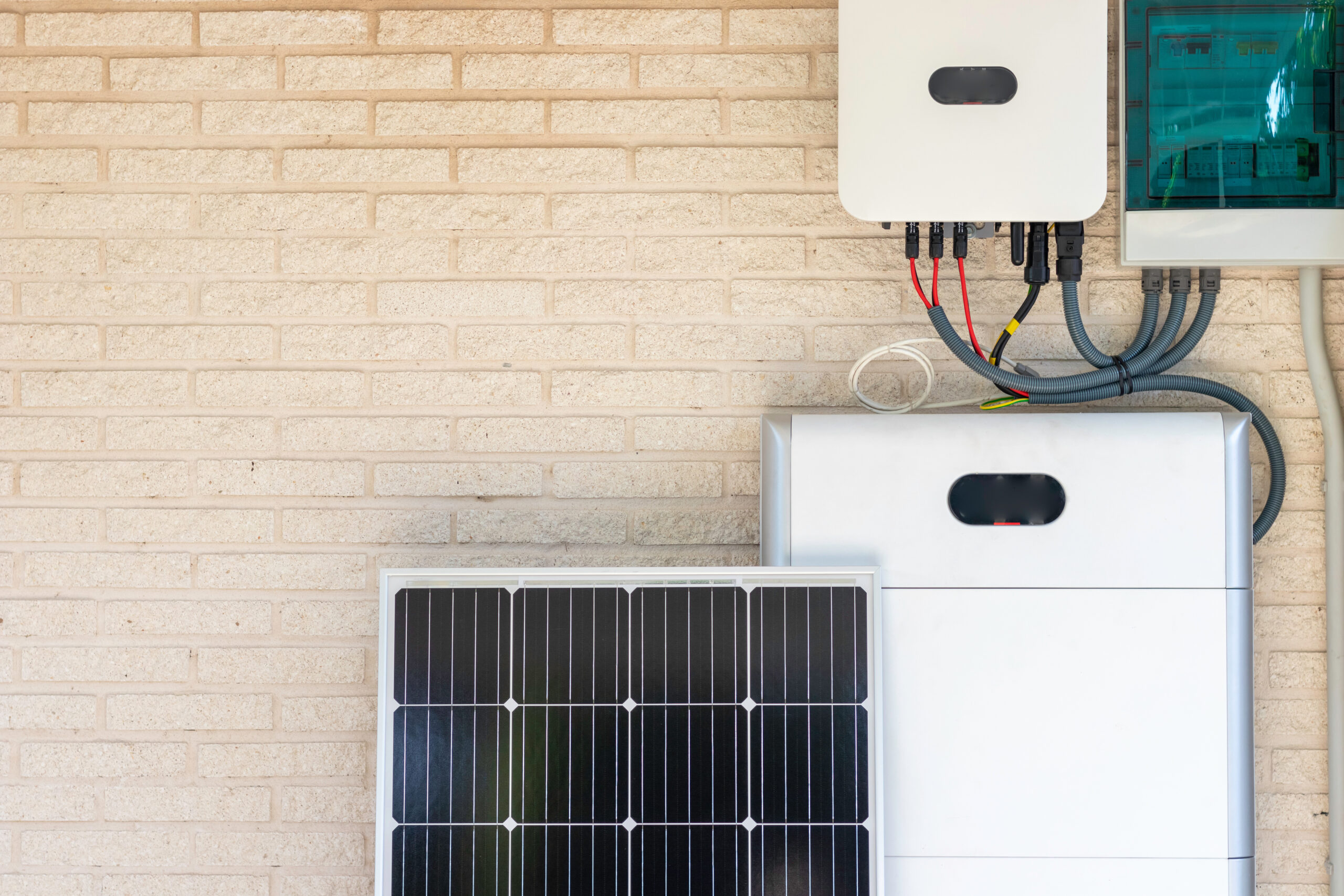
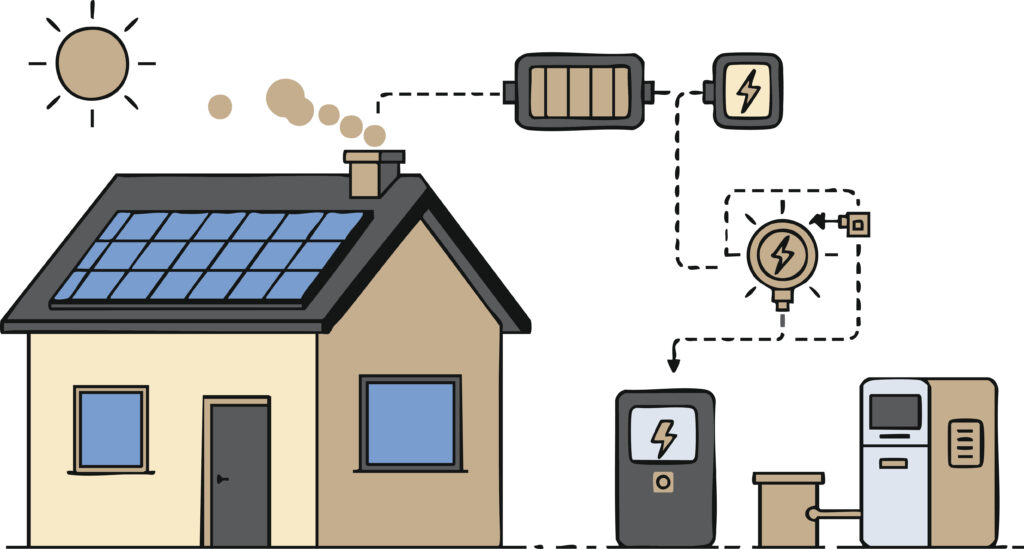
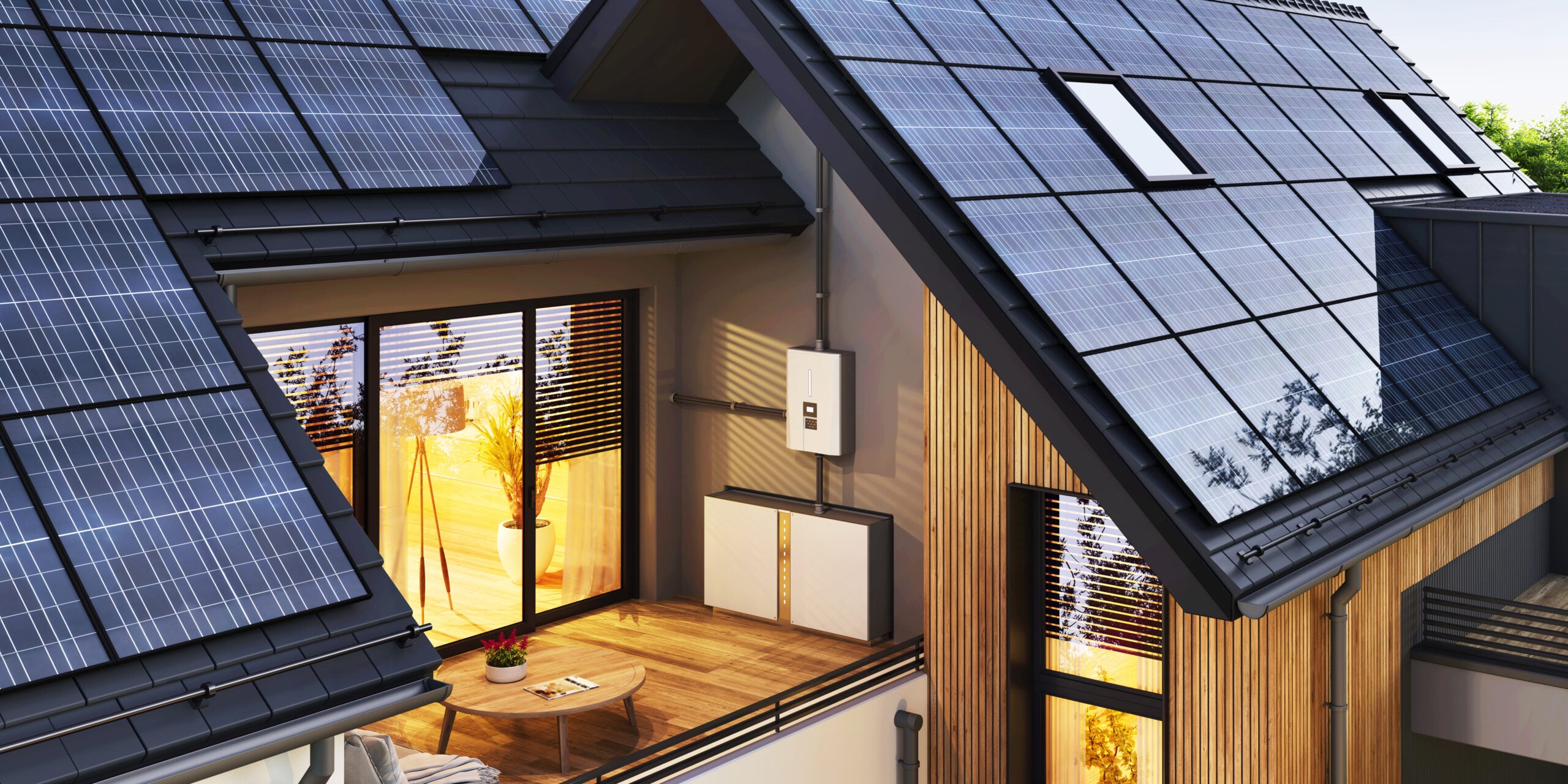
Solar panels with battery storage add an energy storage component to your system. Instead of sending all excess electricity back to the grid, batteries store this energy for use when the sun isn’t shining or during power outages.

Modern lithium-ion batteries can store several hours’ worth of electricity for your home. During the day, your solar panels charge the batteries while also powering your home. At night or during cloudy periods, your home draws power from the stored energy before pulling electricity from the grid.

Key Differences Between Solar Panels and Solar + Battery Storage

Energy Independence: Solar-only systems still rely on the grid when panels aren’t producing electricity. Battery storage provides greater energy independence by storing power for later use.

Power Outage Protection: Standard solar panels shut down during outages for safety reasons. Battery systems can keep essential appliances running during blackouts.

Cost: Solar + battery storage requires a higher upfront investment but may provide greater long-term savings depending on your utility rates and usage patterns.

Grid Interaction: Solar-only systems send excess power to the grid. Battery systems store excess power first, then send any remaining surplus to the grid.

Benefits of Solar Panels

Solar panels offer several compelling advantages for Florida homeowners:

Immediate Cost Savings: You’ll see reduced electricity bills from day one as your panels offset grid electricity usage.

Simple Technology: Fewer components mean less maintenance and potential points of failure.

Lower Upfront Investment: Solar-only systems cost significantly less initially than battery-equipped systems.

Proven Track Record: Solar panel technology has decades of reliable performance data.

Benefits of Solar + Battery Storage

Adding battery storage enhances your solar investment with additional benefits:

Backup Power: Keep lights, refrigeration, and essential appliances running during outages—crucial during Florida’s hurricane season.

Energy Security: Store excess daytime solar production for evening use when electricity rates are often highest.

Grid Independence: Reduce reliance on utility companies and protect against rising electricity rates.

Optimized Solar Usage: Use more of your own solar production rather than selling it back to the grid at potentially lower rates.

Factors to Consider When Choosing

Your decision depends on several key factors specific to your situation:

Budget: Battery storage adds $10,000-$20,000 to system costs. Consider available tax credits and financing options.

Power Reliability Needs: If power outages significantly impact your lifestyle or work, batteries provide valuable peace of mind.

Utility Rates: Homes with time-of-use rates or reduced net metering compensation benefit more from battery storage.

Energy Usage Patterns: Families using most electricity in the evening hours gain more value from stored solar energy.

Storm Preparedness: Florida’s weather makes backup power particularly valuable for maintaining comfort and safety.

Ready to explore solar options for your Florida home? Solar Solutions can help you evaluate whether solar panels alone or solar + battery storage makes the most sense for your specific needs and budget. Our experts will analyze your energy usage, roof characteristics, and local utility rates to design the perfect system for your Tampa, Miami, or Boca Raton home.

Learn more about solar today and reach out to Solar Solutions for your free consultation.

Can You Heat Your Pool Year-Round with Solar in Florida?

Living in Tampa means enjoying the sunshine for most of the year. While that’s great for beach days, it doesn’t always guarantee your pool will be warm enough for a comfortable swim, especially during the cooler months. If you’re a homeowner tired of high energy bills from traditional pool heaters, you might be wondering: can solar energy keep my pool warm all year?

The answer is a resounding yes. Using solar to heat your pool is not only possible in Florida, but it’s also one of the most efficient and cost-effective ways to extend your swim season. This guide will walk you through how it works and what you need to know to get started.

Understanding Solar for Your Pool

When people think of solar panels, they often picture the ones that power a home. However, the technology used for pool heating is different, and it’s important to understand the distinction.

  • Photovoltaic (PV) Panels: These are the panels that convert sunlight directly into electricity to run your lights and appliances. While you could technically use this electricity to power an electric pool heater, it’s not a very efficient method.
  • Solar Thermal Collectors: This technology is designed specifically to heat water. These collectors, which often look like black mats or tubes on your roof, work by circulating your pool’s water through them. The sun heats the collectors, and that warmth is transferred directly to the water before it returns to your pool.

For heating a pool in Florida, solar thermal collectors are the clear winner. They use the sun’s heat directly, making them far more efficient for this specific task.

How Solar Thermal Collectors Work

The process is brilliantly simple. Your existing pool pump sends cool water from your pool up to the solar thermal collectors on your roof. As the water flows through the network of tubes within the collectors, it absorbs the sun’s heat. This naturally warmed water then flows back into your pool, gradually raising the temperature until it reaches your desired setting. An automated control system ensures this only happens when the sun is out and the collectors are warmer than the pool, maximizing efficiency.

The result? You can raise your pool’s temperature by 8-15 degrees, turning a chilly pool into a comfortable oasis without the recurring cost of gas or electricity.

Choosing the Right Panels

Several brands of solar thermal collectors are certified by the Florida Solar Energy Center (FSEC), ensuring they meet high standards. Three popular options are Techno-Solis, iSwim, and Heliocol. While all perform well, they have different design features. For instance, Techno-Solis boasts a high wind-load rating, making it ideal for coastal homes, while iSwim is known for its low hydraulic resistance, which works well with most existing pool pumps. A professional can help you choose the best fit based on your home’s specific needs.

Factors Affecting Solar Pool Heating

Several factors will influence how effectively a solar system can heat your pool:

  • Pool Size and Volume: Larger pools require more solar collectors to heat the water effectively. A general rule of thumb is to have collector surface area equal to at least 80% of your pool’s surface area.
  • Sun Exposure: The amount of direct sunlight your roof receives is crucial. South-facing roofs are ideal, but east and west-facing roofs can also work well. Shading from trees or other buildings will reduce the system’s efficiency.
  • Desired Temperature: If you prefer a warmer pool, you may need a larger system.
  • Use of a Pool Cover: Using a solar cover at night is highly recommended. It can reduce heat loss by up to 50%, keeping the warm water you generated during the day right where you want it—in your pool.

The Cost and Savings of Going Solar

A solar pool heating system is an investment, but it’s one that pays off quickly. While the initial cost can vary depending on the size of your pool and system, the operational costs are virtually zero. The system uses your existing pool pump, so you’re only paying for the free, abundant energy from the sun.

Compared to the hundreds of dollars you might spend monthly on a gas or electric heater, a solar system can pay for itself in just 2-4 years. Plus, these systems are durable, require very little maintenance, and can last for 20 years or more.

Ready to Swim Year-Round?

For Tampa homeowners, solar pool heating is a smart, reliable, and eco-friendly investment. It allows you to maximize the enjoyment of your pool, extend your swim season, and free yourself from volatile energy bills. With our sunny climate, there’s no better place to harness the power of the sun.

If you’re ready to take control of your pool’s temperature and your energy costs, the next step is to get a professional assessment. A well-designed system tailored to your home will ensure you get the best performance for years to come.

Ready to discuss your options? Call Solar Solutions for a free, no-obligation quote today!

What Is the Cheapest Way to Heat a Pool in Florida?

Solar pool heating is the cheapest and most energy-efficient way to heat a pool in Florida. It uses the power of the sun, which is free and plentiful in the Sunshine State, to warm your pool water without relying on costly gas or electricity.

If you’re a pool owner in Tampa Bay, you already know the joy of year-round swimming. But traditional heating methods like gas or electric heaters can quickly drive up your energy bill. That’s why thousands of Florida homeowners are turning to solar pool heating to keep their pools comfortable for a fraction of the cost.

Why Solar Pool Heating Is So Affordable

With over 230 sunny days a year in Tampa Bay, solar energy is readily available. Once installed, a solar pool heating system runs at virtually zero ongoing cost:

  • No fuel expenses like with gas heaters
  • Low maintenance requirements
  • No increase in electricity usage like with electric heat pumps

Over time, the savings can be substantial. A gas or electric pool heater can cost hundreds each month in energy bills, while a solar pool heater uses your existing pump to circulate water through solar panels that heat it naturally.

How Solar Pool Heating Works

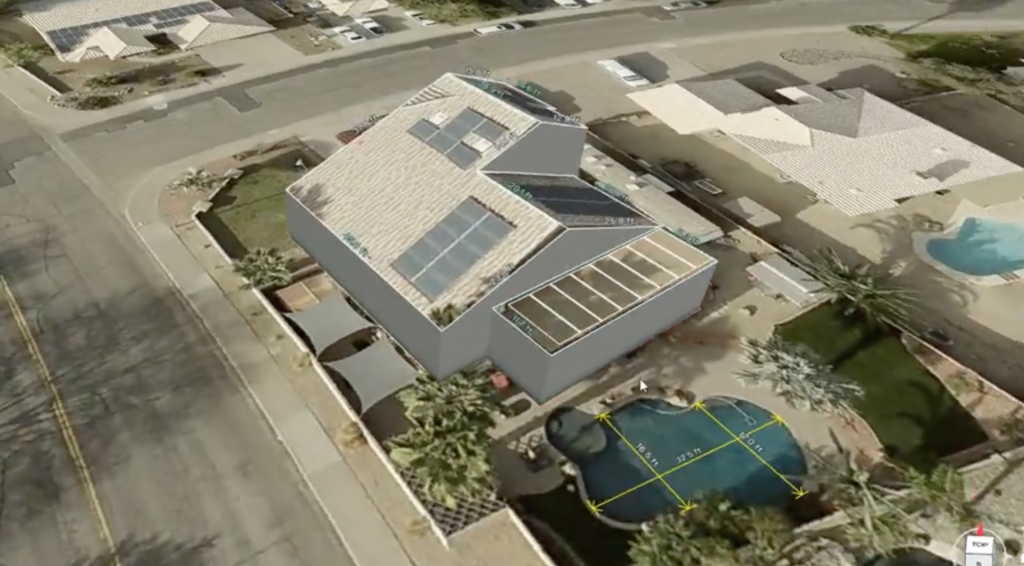
Your pool pump pushes water through solar collectors mounted on your roof. These panels absorb the sun’s heat and warm the water before it returns to your pool. The process is quiet, clean, and effective, and works exceptionally well in Florida’s sunny climate.

Built for Florida Conditions

Solar Solutions Inc systems are designed with hurricane-resistant mounting to withstand Florida’s severe weather. Our in-house team completes most installations in just one day.

And with $0 down financing and a 30% federal tax credit, solar pool heating is more affordable than ever.

Conclusion

If you’re looking for the cheapest way to heat your pool in Tampa Bay, solar pool heating is the clear winner. It’s cost-effective, eco-friendly, and perfectly suited to Florida’s sunny climate.

Ready to enjoy a warm pool without the high energy bill? Schedule your free solar consultation with Solar Solutions Inc today. Proudly serving Hillsborough, Pinellas, Pasco, and Polk counties since 1971.

The Solar Tax Credit is Ending for Homeowners: What You Need to Know

If you have been thinking about going solar, now is the time to act. The federal Solar Tax Credit, also known as the Investment Tax Credit (ITC), has been one of the most effective ways to make solar affordable. It allows you to claim 30% of the cost of your solar installation on your federal taxes. But for homeowners, this incentive is ending soon.

What is the Solar Tax Credit?

The Solar Tax Credit is a federal program that reduces the cost of going solar by giving you a tax credit equal to 30% of your total installation cost. This includes panels, labor, and even battery storage.

If you are considering solar pool heating, you can benefit too. Pool heating systems powered by solar energy can be included in your installation, making it easier to enjoy a warm pool while lowering your energy bills. You can learn more about our solar pool heating options here.

When Does It Expire for Homeowners?

For homeowners, the deadline is December 31, 2025. Your solar system must be installed, inspected, and operational by then in order to qualify. Permitting and installation can take several months, which means starting now is essential.

Missing this deadline could cost you thousands. For example, if your system costs $25,000, the tax credit saves you $7,500. Waiting too long means losing that benefit entirely.

What About Leases and Commercial Systems?

If you are considering a solar lease or a Power Purchase Agreement (PPA), you still have time. These agreements remain eligible for the tax credit until 2027. The leasing company claims the credit, but the savings are reflected in your monthly payments.

Commercial systems also qualify through 2027. Businesses can benefit not only from lower operating costs but also from pairing solar power with services like solar pool heating for hotels, gyms, and recreational facilities.

Why Act Now?

Acting now gives you three clear advantages:

  • You can lock in the full 30% savings before it expires for homeowners.
  • You avoid installation delays caused by the year-end rush.
  • You start benefiting from lower utility bills right away, and if you add solar pool heating, you can enjoy a warm pool without paying higher energy costs.

How Solar Solutions Inc. Can Help

At Solar Solutions Inc., we handle every step of the process from design to permitting to installation. Whether you are installing solar panels for your home or adding solar pool heating, we make it simple and cost-effective.

We offer free consultations, zero-down financing options, and fast installations to help you meet the tax credit deadline.

Frequently Asked Questions

How do I claim the Solar Tax Credit?
After your system is installed and operational, you can claim the credit when you file your federal taxes using IRS Form 5695. Your installer will provide the documentation you need.

Does the credit apply to solar pool heating?
Yes. When installed as part of a qualified solar project, solar pool heating systems are eligible for the credit.

What happens if I miss the deadline?
If you are a homeowner and your system is not completed by December 31, 2025, you will no longer qualify for the 30% tax credit. Commercial and leased systems have until 2027.

Can I include battery storage?
Yes. Battery systems installed with your solar project also qualify for the tax credit, which makes it a great time to add energy storage.


Get Started Today

The Solar Tax Credit for homeowners expires on December 31, 2025. If you are ready to save on energy costs and take advantage of this incentive, now is the time to act.

Request a free quote today and let us help you lock in your savings before the deadline.