Case Studies & Customer Success

See how our solar solutions have transformed homes and businesses across Tampa Bay

4.79/5 Overall Rating

Based on 719 verified reviews

The Solar Tax Credit is Ending for Homeowners: What You Need to Know

If you have been thinking about going solar, now is the time to act. The federal Solar Tax Credit, also known as the Investment Tax Credit (ITC), has been one of the most effective ways to make solar affordable. It allows you to claim 30% of the cost of your solar installation on your federal taxes. But for homeowners, this incentive is ending soon.

What is the Solar Tax Credit?

The Solar Tax Credit is a federal program that reduces the cost of going solar by giving you a tax credit equal to 30% of your total installation cost. This includes panels, labor, and even battery storage.

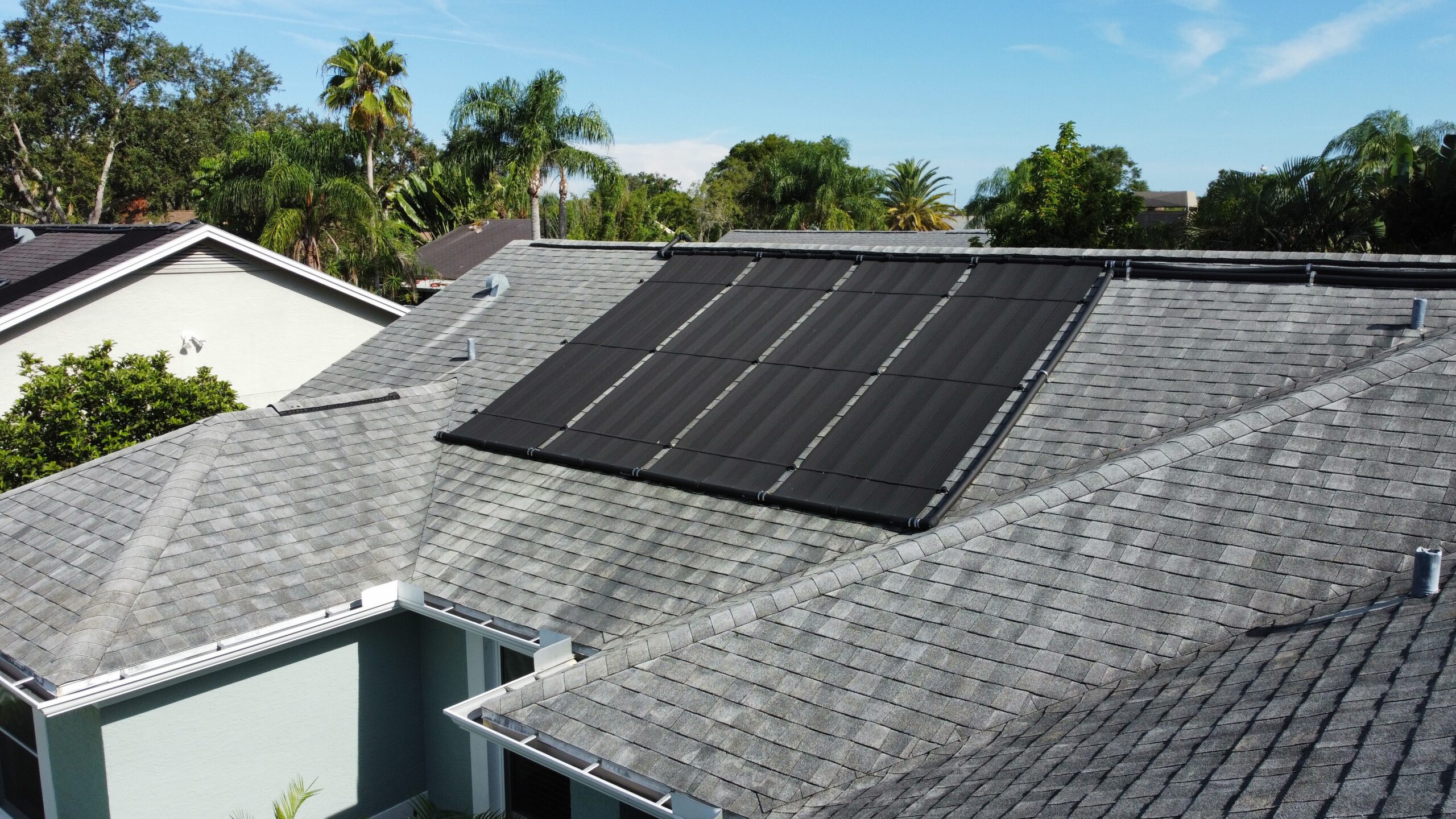
If you are considering solar pool heating, you can benefit too. Pool heating systems powered by solar energy can be included in your installation, making it easier to enjoy a warm pool while lowering your energy bills. You can learn more about our solar pool heating options here.

When Does It Expire for Homeowners?

For homeowners, the deadline is December 31, 2025. Your solar system must be installed, inspected, and operational by then in order to qualify. Permitting and installation can take several months, which means starting now is essential.

Missing this deadline could cost you thousands. For example, if your system costs $25,000, the tax credit saves you $7,500. Waiting too long means losing that benefit entirely.

What About Leases and Commercial Systems?

If you are considering a solar lease or a Power Purchase Agreement (PPA), you still have time. These agreements remain eligible for the tax credit until 2027. The leasing company claims the credit, but the savings are reflected in your monthly payments.

Commercial systems also qualify through 2027. Businesses can benefit not only from lower operating costs but also from pairing solar power with services like solar pool heating for hotels, gyms, and recreational facilities.

Why Act Now?

Acting now gives you three clear advantages:

  • You can lock in the full 30% savings before it expires for homeowners.
  • You avoid installation delays caused by the year-end rush.
  • You start benefiting from lower utility bills right away, and if you add solar pool heating, you can enjoy a warm pool without paying higher energy costs.

How Solar Solutions Inc. Can Help

At Solar Solutions Inc., we handle every step of the process from design to permitting to installation. Whether you are installing solar panels for your home or adding solar pool heating, we make it simple and cost-effective.

We offer free consultations, zero-down financing options, and fast installations to help you meet the tax credit deadline.

Frequently Asked Questions

How do I claim the Solar Tax Credit?
After your system is installed and operational, you can claim the credit when you file your federal taxes using IRS Form 5695. Your installer will provide the documentation you need.

Does the credit apply to solar pool heating?
Yes. When installed as part of a qualified solar project, solar pool heating systems are eligible for the credit.

What happens if I miss the deadline?
If you are a homeowner and your system is not completed by December 31, 2025, you will no longer qualify for the 30% tax credit. Commercial and leased systems have until 2027.

Can I include battery storage?
Yes. Battery systems installed with your solar project also qualify for the tax credit, which makes it a great time to add energy storage.


Get Started Today

The Solar Tax Credit for homeowners expires on December 31, 2025. If you are ready to save on energy costs and take advantage of this incentive, now is the time to act.

Request a free quote today and let us help you lock in your savings before the deadline.

Solar Energy in Florida: How Weather Shapes Performance

Think Florida’s blazing summer heat means peak solar performance? The reality might surprise you. Here’s what Tampa homeowners need to know about solar efficiency during our hottest months.

When most people imagine solar panels, they picture them working best under intense, blazing sunshine. Living in Florida, you might assume that our 95°F summer days with brilliant sunshine create perfect conditions for maximum solar production. The truth is more nuanced, and understanding it will help you set realistic expectations for your solar investment.

At Solar Solutions Inc., we’ve been optimizing solar systems for Florida’s climate since 1997. After thousands of installations across Tampa Bay, we’ve learned that summer brings both the best and most challenging conditions for solar panels. Here’s what you need to know.

The Heat Efficiency Paradox

Solar panels have an optimal operating temperature of around 77°F. As temperatures rise beyond this point, efficiency actually decreases. This happens because excessive heat increases electrical resistance within the solar cells, reducing their ability to convert sunlight into electricity.

On a typical Florida summer afternoon, your roof can reach 140°F or higher. At these temperatures, a solar panel rated for 300 watts at standard conditions might only produce 270-280 watts. This represents an efficiency loss of about 8-10% compared to cooler conditions.

This phenomenon is measured by the “temperature coefficient”—essentially how much efficiency drops for every degree above the optimal temperature. Quality panels have temperature coefficients around -0.4% per degree Celsius, meaning they lose less efficiency as heat increases.

Why Summer is Still Your Best Production Season

Despite heat-related efficiency losses, summer remains Florida’s peak solar production season. The reason is simple: dramatically increased sunlight hours and intensity translate directly into higher energy savings.

During June and July, Tampa receives approximately 6.5 hours of peak sun daily compared to just 4.5 hours in December. Additionally, the sun’s angle is optimal—nearly overhead at midday, maximizing the energy hitting your panels. For the average Tampa homeowner, this means summer months can generate 40-50% more solar energy than winter months.

Here’s what this means for your wallet: a typical 6kW solar system in Tampa produces about 900-1,000 kWh monthly during peak summer, compared to 600-700 kWh in winter. At current Tampa Electric rates of $0.12-0.15 per kWh, summer production can save you $120-150 monthly on electricity costs. Over the three peak summer months, that’s $360-450 in savings when you need it most, during your highest air conditioning bills.

Your panels are generating power from sunrise around 6:30 AM to sunset after 8:00 PM, with strong production lasting from 9 AM to 6 PM. This extended production window means your system is actively reducing your electric bill for up to 13 hours daily during summer.

The Perfect Timing Factor

Summer’s peak production aligns perfectly with your highest energy costs. While your panels work harder to stay cool, your air conditioning system is working overtime to keep your home comfortable. This creates a natural balance, maximum solar production during maximum energy consumption.

Most Tampa homeowners see their highest electric bills from May through September, precisely when their solar systems are producing the most energy. A properly sized system can offset 70-90% of your cooling costs during these peak months.

Installation Techniques That Beat the Heat

Professional installation can minimize heat-related losses through proper airflow design. Panels mounted too close to your roof trap heat, while properly spaced installations allow air circulation underneath, reducing panel temperatures by 10-20°F.

The mounting system matters significantly. We use elevated mounting techniques that create adequate airflow beneath panels while maintaining structural integrity. This approach helps panels run cooler throughout the day, preserving more of their rated efficiency.

Roof material also affects panel temperature. Panels on light-colored tile roofs typically run cooler than those on dark asphalt shingles or metal roofing. During system design, we consider these factors to optimize year-round performance.

Seasonal Performance Patterns

Understanding seasonal variations helps explain your energy bill changes throughout the year:

Summer (June-August): Highest production but reduced efficiency due to heat. Long days with peak production from 9 AM to 6 PM. Ideal for offsetting air conditioning costs.

Fall (September-November): Excellent conditions with moderate temperatures and good sun exposure. Often the most efficient production period.

Winter (December-February): Lowest production due to shorter days and lower sun angles, but highest efficiency per hour due to cooler temperatures.

Spring (March-May): Ideal balance of increasing daylight hours and moderate temperatures. Often shows the best efficiency ratings.

Maximizing Summer Performance

Several strategies help optimize your system during Florida’s intense summer months:

Panel Maintenance: Summer’s dust, pollen, and occasional storms can reduce panel efficiency. Regular cleaning maintains optimal light transmission. Clean panels can produce 5-10% more energy than dirty ones.

System Monitoring: Modern installations include monitoring systems that track daily production. Summer’s peak production months make this monitoring especially valuable for identifying performance issues quickly.

Strategic Energy Usage: Use energy-intensive appliances during midday hours when solar production peaks. This maximizes your direct solar usage rather than relying on grid power.

Technology Advances for Hot Climates

Modern solar panels are engineered specifically for hot climates. Recent technological improvements include:

Better Temperature Coefficients: Newer panels lose less efficiency in extreme heat compared to older models. Premium panels now have temperature coefficients as low as -0.3% per degree Celsius.

Advanced Cell Technology: PERC (Passivated Emitter and Rear Cell) technology and other innovations help panels maintain performance in high temperatures.

Improved Inverters: Modern inverters are designed to operate reliably in extreme heat, with some models rated for ambient temperatures up to 140°F.

What This Means for Your Investment

Florida’s summer conditions create the highest energy production months of the year, despite heat-related efficiency losses. The abundant sunshine and long days more than compensate for reduced efficiency, resulting in peak annual production during your highest energy consumption period.

A properly designed system considers these seasonal variations. Rather than focusing solely on peak efficiency, successful installations optimize for maximum annual energy production and cost savings. Summer’s high production helps build credits through net metering that offset lower production periods.

The Bottom Line

Florida’s hot summer weather creates both challenges and opportunities for solar energy production. While extreme heat reduces panel efficiency, the abundant sunshine and extended daylight hours result in peak annual production. Professional installation techniques, quality equipment, and proper system design help maximize performance even in challenging conditions.

Understanding this relationship helps set realistic expectations and optimize your solar investment. Summer brings your highest production precisely when you need it most—during peak air conditioning season.

Ready to harness Florida’s summer sun effectively? Contact Solar Solutions Inc. for a consultation. Our team designs systems optimized for Tampa’s unique climate, ensuring maximum value throughout Florida’s intense summer months.