Case Studies & Customer Success

See how our solar solutions have transformed homes and businesses across Tampa Bay

4.79/5 Overall Rating

Based on 719 verified reviews

Solar Panels vs Solar + Battery Storage: Is the Upgrade Worth It?

When exploring solar options for your Florida home, you’ll face a crucial decision: install solar panels alone, or invest in solar panels with battery storage? Both systems offer significant benefits, but understanding the differences helps you make the best choice for your Tampa, Miami, or Boca Raton home.

How Solar Panels Work

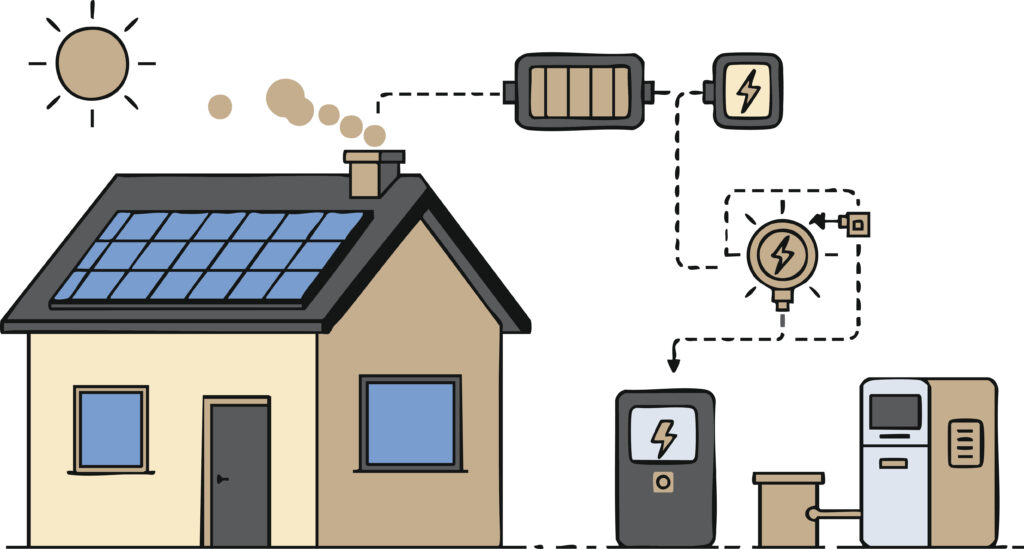
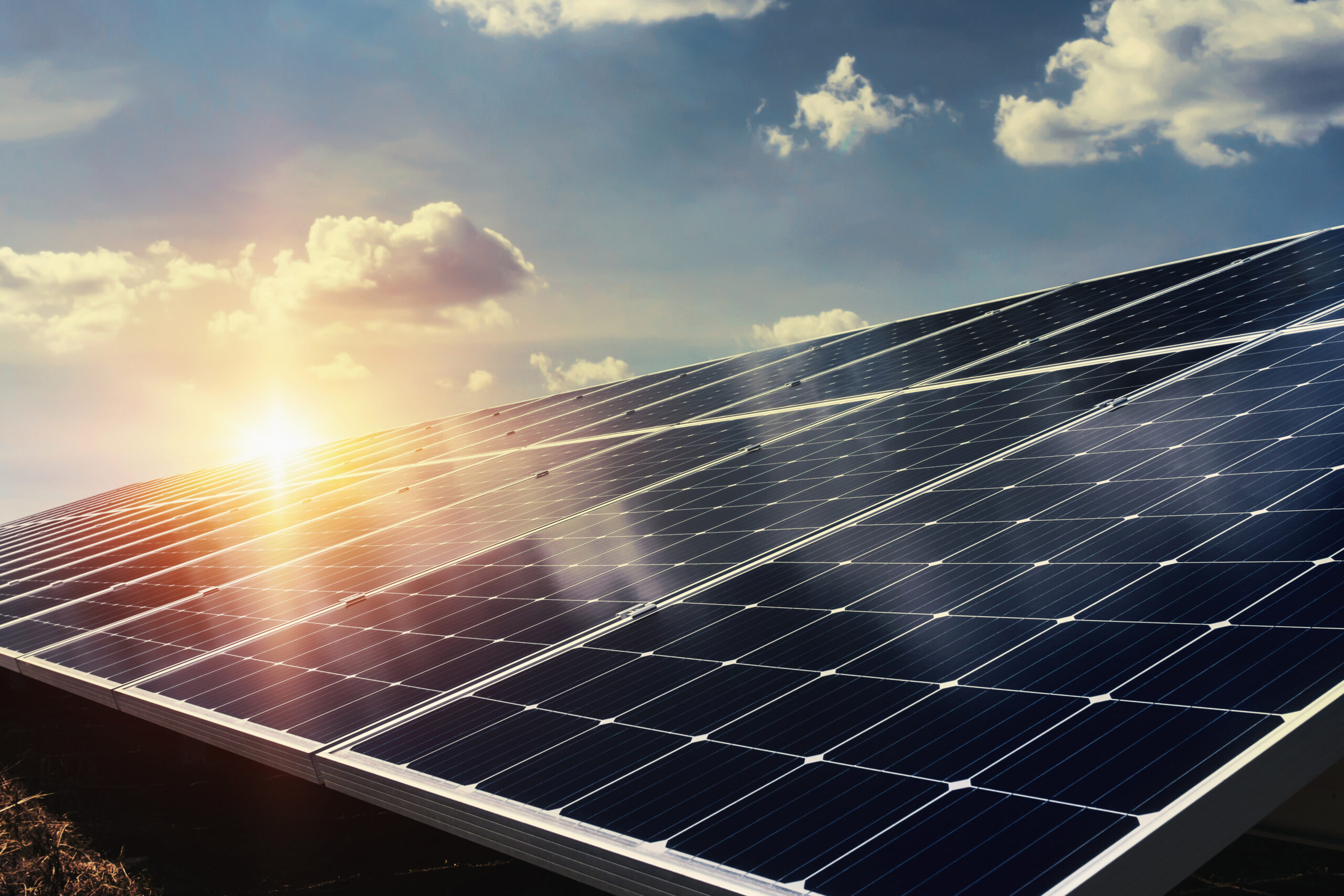
Solar panels convert sunlight directly into electricity through photovoltaic cells. When sunlight hits these cells, it creates an electrical current that powers your home’s appliances and lighting. Any excess energy your panels produce gets fed back into the electrical grid, often earning you credits through your utility company’s net metering program.

This straightforward system reduces your monthly electricity bills by offsetting the power you would normally purchase from your utility company. During peak sunlight hours, your panels may produce more electricity than your home uses, creating those valuable credits for later use.

Solar + Battery Storage: A Comprehensive Look

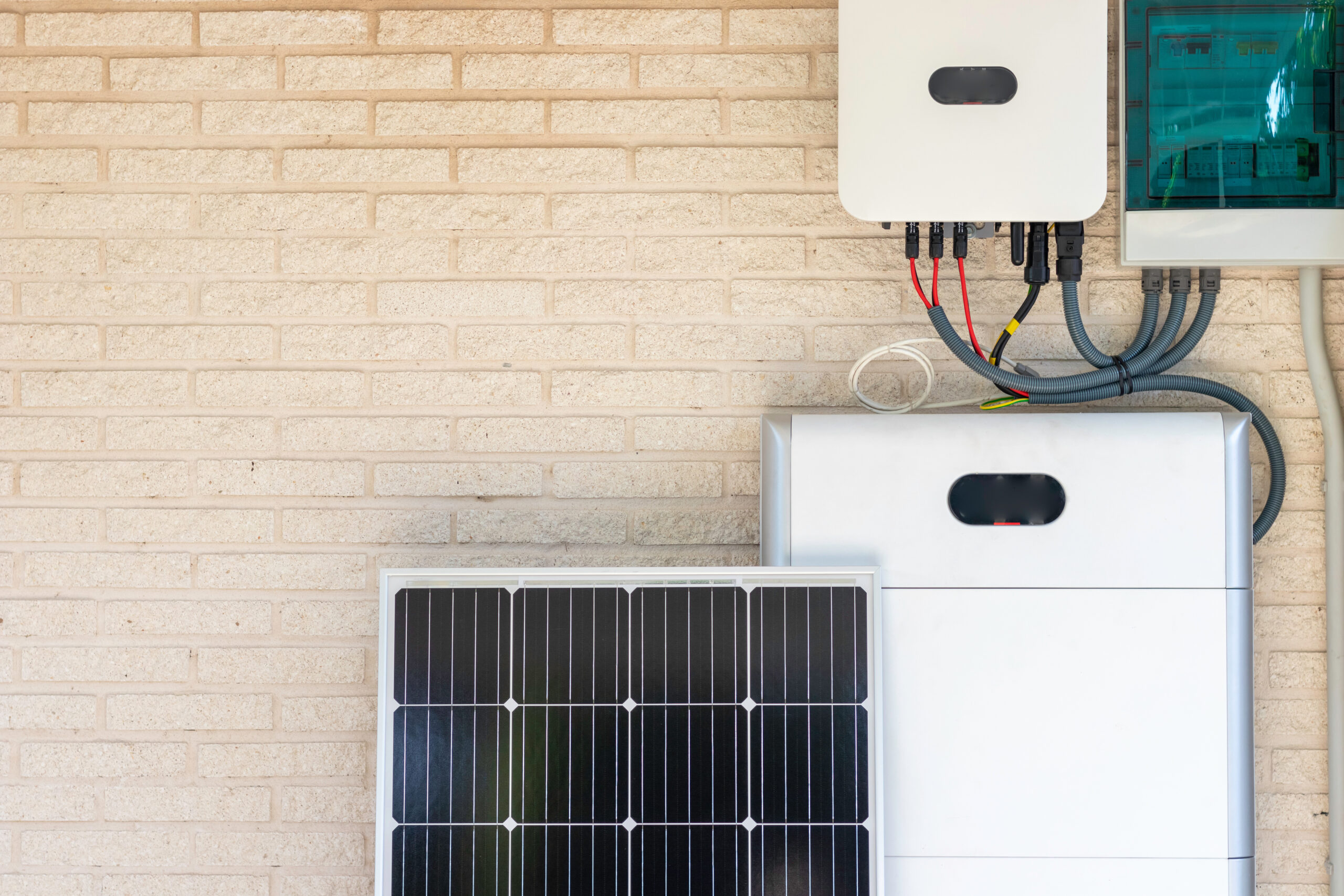
Solar panels with battery storage add an energy storage component to your system. Instead of sending all excess electricity back to the grid, batteries store this energy for use when the sun isn’t shining or during power outages.

Modern lithium-ion batteries can store several hours’ worth of electricity for your home. During the day, your solar panels charge the batteries while also powering your home. At night or during cloudy periods, your home draws power from the stored energy before pulling electricity from the grid.

Key Differences Between Solar Panels and Solar + Battery Storage

Energy Independence: Solar-only systems still rely on the grid when panels aren’t producing electricity. Battery storage provides greater energy independence by storing power for later use.

Power Outage Protection: Standard solar panels shut down during outages for safety reasons. Battery systems can keep essential appliances running during blackouts.

Cost: Solar + battery storage requires a higher upfront investment but may provide greater long-term savings depending on your utility rates and usage patterns.

Grid Interaction: Solar-only systems send excess power to the grid. Battery systems store excess power first, then send any remaining surplus to the grid.

Benefits of Solar Panels

Solar panels offer several compelling advantages for Florida homeowners:

Immediate Cost Savings: You’ll see reduced electricity bills from day one as your panels offset grid electricity usage.

Simple Technology: Fewer components mean less maintenance and potential points of failure.

Lower Upfront Investment: Solar-only systems cost significantly less initially than battery-equipped systems.

Proven Track Record: Solar panel technology has decades of reliable performance data.

Benefits of Solar + Battery Storage

Adding battery storage enhances your solar investment with additional benefits:

Backup Power: Keep lights, refrigeration, and essential appliances running during outages—crucial during Florida’s hurricane season.

Energy Security: Store excess daytime solar production for evening use when electricity rates are often highest.

Grid Independence: Reduce reliance on utility companies and protect against rising electricity rates.

Optimized Solar Usage: Use more of your own solar production rather than selling it back to the grid at potentially lower rates.

Factors to Consider When Choosing

Your decision depends on several key factors specific to your situation:

Budget: Battery storage adds $10,000-$20,000 to system costs. Consider available tax credits and financing options.

Power Reliability Needs: If power outages significantly impact your lifestyle or work, batteries provide valuable peace of mind.

Utility Rates: Homes with time-of-use rates or reduced net metering compensation benefit more from battery storage.

Energy Usage Patterns: Families using most electricity in the evening hours gain more value from stored solar energy.

Storm Preparedness: Florida’s weather makes backup power particularly valuable for maintaining comfort and safety.

Ready to explore solar options for your Florida home? Solar Solutions can help you evaluate whether solar panels alone or solar + battery storage makes the most sense for your specific needs and budget. Our experts will analyze your energy usage, roof characteristics, and local utility rates to design the perfect system for your Tampa, Miami, or Boca Raton home.

Learn more about solar today and reach out to Solar Solutions for your free consultation.

Can You Heat Your Pool Year-Round with Solar in Florida?

Living in Tampa means enjoying the sunshine for most of the year. While that’s great for beach days, it doesn’t always guarantee your pool will be warm enough for a comfortable swim, especially during the cooler months. If you’re a homeowner tired of high energy bills from traditional pool heaters, you might be wondering: can solar energy keep my pool warm all year?

The answer is a resounding yes. Using solar to heat your pool is not only possible in Florida, but it’s also one of the most efficient and cost-effective ways to extend your swim season. This guide will walk you through how it works and what you need to know to get started.

Understanding Solar for Your Pool

When people think of solar panels, they often picture the ones that power a home. However, the technology used for pool heating is different, and it’s important to understand the distinction.

  • Photovoltaic (PV) Panels: These are the panels that convert sunlight directly into electricity to run your lights and appliances. While you could technically use this electricity to power an electric pool heater, it’s not a very efficient method.
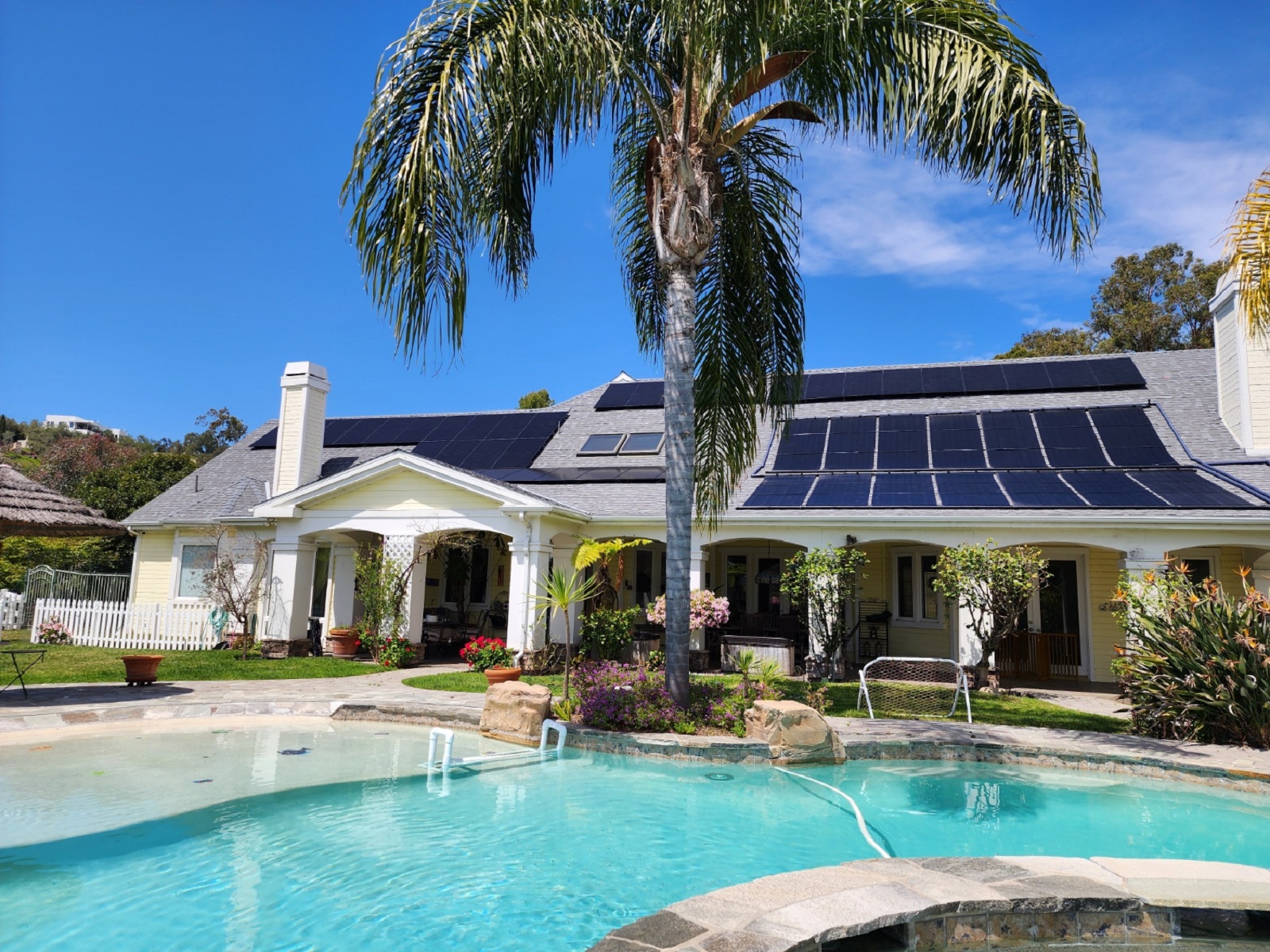
  • Solar Thermal Collectors: This technology is designed specifically to heat water. These collectors, which often look like black mats or tubes on your roof, work by circulating your pool’s water through them. The sun heats the collectors, and that warmth is transferred directly to the water before it returns to your pool.

For heating a pool in Florida, solar thermal collectors are the clear winner. They use the sun’s heat directly, making them far more efficient for this specific task.

How Solar Thermal Collectors Work

The process is brilliantly simple. Your existing pool pump sends cool water from your pool up to the solar thermal collectors on your roof. As the water flows through the network of tubes within the collectors, it absorbs the sun’s heat. This naturally warmed water then flows back into your pool, gradually raising the temperature until it reaches your desired setting. An automated control system ensures this only happens when the sun is out and the collectors are warmer than the pool, maximizing efficiency.

The result? You can raise your pool’s temperature by 8-15 degrees, turning a chilly pool into a comfortable oasis without the recurring cost of gas or electricity.

Choosing the Right Panels

Several brands of solar thermal collectors are certified by the Florida Solar Energy Center (FSEC), ensuring they meet high standards. Three popular options are Techno-Solis, iSwim, and Heliocol. While all perform well, they have different design features. For instance, Techno-Solis boasts a high wind-load rating, making it ideal for coastal homes, while iSwim is known for its low hydraulic resistance, which works well with most existing pool pumps. A professional can help you choose the best fit based on your home’s specific needs.

Factors Affecting Solar Pool Heating

Several factors will influence how effectively a solar system can heat your pool:

  • Pool Size and Volume: Larger pools require more solar collectors to heat the water effectively. A general rule of thumb is to have collector surface area equal to at least 80% of your pool’s surface area.
  • Sun Exposure: The amount of direct sunlight your roof receives is crucial. South-facing roofs are ideal, but east and west-facing roofs can also work well. Shading from trees or other buildings will reduce the system’s efficiency.
  • Desired Temperature: If you prefer a warmer pool, you may need a larger system.
  • Use of a Pool Cover: Using a solar cover at night is highly recommended. It can reduce heat loss by up to 50%, keeping the warm water you generated during the day right where you want it—in your pool.

The Cost and Savings of Going Solar

A solar pool heating system is an investment, but it’s one that pays off quickly. While the initial cost can vary depending on the size of your pool and system, the operational costs are virtually zero. The system uses your existing pool pump, so you’re only paying for the free, abundant energy from the sun.

Compared to the hundreds of dollars you might spend monthly on a gas or electric heater, a solar system can pay for itself in just 2-4 years. Plus, these systems are durable, require very little maintenance, and can last for 20 years or more.

Ready to Swim Year-Round?

For Tampa homeowners, solar pool heating is a smart, reliable, and eco-friendly investment. It allows you to maximize the enjoyment of your pool, extend your swim season, and free yourself from volatile energy bills. With our sunny climate, there’s no better place to harness the power of the sun.

If you’re ready to take control of your pool’s temperature and your energy costs, the next step is to get a professional assessment. A well-designed system tailored to your home will ensure you get the best performance for years to come.

Ready to discuss your options? Call Solar Solutions for a free, no-obligation quote today!

iSwim, Heliocol, and Techno-Solis – Choosing the Right Solar Pool Heating for Tampa

If you’re considering solar pool heating in Tampa, you’ve likely come across three leading panel brands: iSwim, Heliocol, and Techno-Solis. All three are certified by the Florida Solar Energy Center (FSEC), but understanding how they perform in Tampa’s unique climate—with our intense summer sun, afternoon thunderstorms, and occasional tropical weather—will help you make the smartest choice for your pool.

Understanding the Performance Ratings

FSEC tests solar collectors at different water temperatures to measure their heat output. For pool heating in Tampa, the low temperature rating at 86°F matters most since this reflects typical pool operating conditions.

FSEC Low Temperature Ratings (86°F) – kBTU/Sq Ft/Day:

  • Techno-Solis: 1006
  • iSwim: 1000
  • Heliocol: 954

Techno-Solis has the highest rating, but here’s what FSEC tells us: panels within 25 BTU/sq ft of each other perform essentially the same. All three of these panels fall within that range, so they’re all excellent performers on paper.

What Makes These Panels Different in Tampa Conditions

Construction: Built for Florida Weather

How panels are constructed affects everything from how they handle Tampa’s heat and humidity to how they stand up to tropical storms.

iSwim and Techno-Solis both use full-body bonded construction where the entire panel is one solid piece. iSwim has fluted absorber tubes with overmolded headers, while Techno-Solis distributes water through 104 parallel channels across the panel. Both use UV-stabilized polypropylene designed to withstand Florida’s intense sun exposure. The bonded construction means no separate connections that could develop leaks during thermal expansion and contraction.

Heliocol takes a different approach with individual tube construction. Separate risers are held together with spacer bars, and while the headers are overmolded, the tubes remain independent. This design naturally accommodates thermal expansion and allows for individual component inspection. The patented clamps eliminate metal fittings and rubber hoses, which is helpful in Tampa’s humid climate where corrosion can be an issue.

Water Flow: Getting the Most from Your Pool Pump

In Tampa, many homeowners run variable speed pumps to save energy. How well panels work with your existing pump setup directly impacts your heating performance and electricity costs.

iSwim panels have minimal flow restriction with pressure loss under 0.5 psi. The smooth flow paths mean a typical 4×10 panel works optimally at 4.0 gpm. This low restriction is ideal for variable speed pumps—you can run lower speeds while still getting good flow and heat transfer, which saves on electricity.

Techno-Solis uses 104 flow channels to distribute water evenly. Flow rates range from 2.5 gpm for the 4×8 panels up to 10 gpm for the larger 4×12 models. The multi-channel design ensures heat gets distributed across the entire panel surface, which is beneficial during Tampa’s peak sun hours.

Heliocol’s open flow design reduces backpressure on your pump. With 2″ header options and typical flows of 3-7 gpm, the individual tubes create parallel flow paths that work well with most pool systems. Less backpressure means your pump works more efficiently, which matters when you’re running it daily during the heating season.

Performance in Tampa’s Climate

Tampa’s weather presents unique challenges: intense UV exposure year-round, summer afternoon thunderstorms with high winds, and the occasional tropical system. Here’s how these panels handle real Florida conditions.

Wind resistance in Tampa:

  • Techno-Solis: 170 mph certified—important for hurricane preparedness
  • iSwim: Advanced strap anchors designed for high wind zones
  • Heliocol: Spacer bars keep tubes stable during storms

Full-body panels like iSwim and Techno-Solis have a continuous surface that captures Tampa’s abundant solar radiation effectively. During our cooler months—December through March when you actually need pool heating—the solid construction performs well even on partly cloudy days or when sea breezes are blowing. Techno-Solis’s 170 mph wind rating provides extra peace of mind during hurricane season.

Heliocol’s tube design allows air circulation between risers. During Tampa’s hot summer when you might not even run your heater, this helps the panels absorb ambient heat, boosting their annual performance numbers. However, on breezy winter mornings when you want to heat your pool, the exposed surfaces can lose some heat to wind cooling. The spacer bars help, but it’s something to consider for Tampa’s variable winter weather.

Built to Last in Florida Sun

Tampa’s year-round UV exposure is some of the most intense in the country. Long-term durability matters here.

iSwim’s bonded construction has no moving parts to fail under constant thermal cycling. Flexible expansion joints handle the daily temperature swings we experience, especially on roof surfaces that can reach 150°F in summer. The lifetime limited warranty transfers with home ownership—valuable for Tampa’s active real estate market. Manufacturing in nearby Odessa, Florida means regional support and faster parts availability.

Techno-Solis has over 30 years of proven performance in Florida conditions. The UV-stabilized polypropylene is specifically formulated for intense sun exposure like we have in Tampa. Individual panels can be replaced if needed without disturbing the entire array. The 10-year warranty and domestic manufacturing provide solid support.

Heliocol’s overmolded headers eliminate connection points where UV degradation often starts. Individual tubes can be inspected during annual pool maintenance. The 10-year warranty covers manufacturing defects, and the global installation base means the technology is well-proven. Many Tampa pools have had Heliocol systems running for 15+ years.

Installation on Tampa Roofs

Tampa homes range from flat tile roofs to steep shingle roofs, and panel weight and mounting matter.

iSwim panels run 15-21 lbs dry for standard sizes. They sit low-profile on the roof—important for neighborhood aesthetics and HOA approvals. Minimal roof penetration helps preserve tile roof warranties, which is crucial for Tampa’s common barrel tile installations.

Techno-Solis panels weigh 19-30 lbs dry. Complete mounting kits come with the system—panel brackets, straps, vacuum breakers, and all hardware. This is helpful for Tampa installations where hurricane strapping requirements are strict and everything needs to be properly secured.

Heliocol mounting minimizes roof penetrations, which matters for both tile and shingle roofs common in Tampa. At 15-22 lbs, they’re light enough for most roof structures. The clamp system speeds installation, and no metal fittings mean less corrosion risk in our humid coastal environment.

Technical Specifications

iSwim (4×10 model):

  • Net absorber area: 37.85 sq ft
  • Water volume: 3.14 gallons
  • Optimal flow rate: 4.0 gpm
  • Maximum operating pressure: 35 psi
  • Pressure drop: <0.5 psi

Techno-Solis (4×10, 2″ header):

  • Gross absorber area: 39.79 sq ft
  • Flow channel count: 104
  • Recommended flow rate: 4.9 gpm
  • Maximum flow capacity: 10 gpm
  • Wind load rating: 170 mph

Heliocol (HC-40, 4×10.5):

  • Aperture area: 40.68 sq ft
  • Water volume: 3.1 gallons
  • Operating flow range: 4-6 gpm
  • Working pressure: 90 psi
  • Burst pressure: 270 psi

Which Panel Works Best for Tampa Pools?

Your choice depends on your specific home and priorities:

Consider Techno-Solis when you want maximum hurricane protection with the 170 mph rating, the highest FSEC certification at 1006 BTU/sq ft, proven performance in Florida conditions over 30+ years, or when the 104-channel design suits your pool’s hydraulic needs.

Consider iSwim when lifetime warranty coverage is important, you’re running a variable speed pump and need minimal pressure drop, you want locally manufactured panels from Odessa, Florida with quick parts availability, or your roof has weight limitations that favor the lightest option.

Consider Heliocol when your pool system needs the higher 90 psi working pressure, you value the tube design for easier future service, the reduced backpressure helps optimize your variable speed pump efficiency, or you prefer the proven individual tube technology that’s been in Tampa pools for decades.

System Design for Tampa Climate

Here’s what really matters: proper system sizing for Tampa’s climate. An undersized array won’t extend your swim season effectively, even with the “best” panels. A correctly designed system considers Tampa’s solar availability (we get excellent sun, but summer afternoon storms affect peak hours), proper sizing for your pool volume and desired temperature, accurate heat loss calculations including pool shape and exposure, control systems that work with Tampa’s weather patterns, and quality installation that meets Florida Building Code requirements.

Any of these three brands will perform excellently when properly designed and installed. The differences come down to your specific roof type, existing equipment, hurricane preparation priorities, and long-term maintenance preferences.

Professional Installation in Tampa

At Solar Solutions Inc, we’ve installed hundreds of solar pool heating systems throughout the Tampa Bay area with all three brands. We understand Tampa’s unique requirements—from county permitting to HOA approvals to hurricane-rated installations. Our site evaluation considers your roof orientation for maximum sun capture, shading from oak trees and neighbors, wind exposure based on your proximity to the bay or gulf, compatibility with your existing pool equipment, and realistic heating expectations for Tampa’s climate.

Ready to extend your swim season and reduce pool heating costs? Contact Solar Solutions Inc for a free assessment. We’ll design a system specifically for your Tampa home that delivers reliable, efficient pool heating year after year.

What Is the Cheapest Way to Heat a Pool in Florida?

Solar pool heating is the cheapest and most energy-efficient way to heat a pool in Florida. It uses the power of the sun, which is free and plentiful in the Sunshine State, to warm your pool water without relying on costly gas or electricity.

If you’re a pool owner in Tampa Bay, you already know the joy of year-round swimming. But traditional heating methods like gas or electric heaters can quickly drive up your energy bill. That’s why thousands of Florida homeowners are turning to solar pool heating to keep their pools comfortable for a fraction of the cost.

Why Solar Pool Heating Is So Affordable

With over 230 sunny days a year in Tampa Bay, solar energy is readily available. Once installed, a solar pool heating system runs at virtually zero ongoing cost:

  • No fuel expenses like with gas heaters
  • Low maintenance requirements
  • No increase in electricity usage like with electric heat pumps

Over time, the savings can be substantial. A gas or electric pool heater can cost hundreds each month in energy bills, while a solar pool heater uses your existing pump to circulate water through solar panels that heat it naturally.

How Solar Pool Heating Works

Your pool pump pushes water through solar collectors mounted on your roof. These panels absorb the sun’s heat and warm the water before it returns to your pool. The process is quiet, clean, and effective, and works exceptionally well in Florida’s sunny climate.

Built for Florida Conditions

Solar Solutions Inc systems are designed with hurricane-resistant mounting to withstand Florida’s severe weather. Our in-house team completes most installations in just one day.

And with $0 down financing and a 30% federal tax credit, solar pool heating is more affordable than ever.

Conclusion

If you’re looking for the cheapest way to heat your pool in Tampa Bay, solar pool heating is the clear winner. It’s cost-effective, eco-friendly, and perfectly suited to Florida’s sunny climate.

Ready to enjoy a warm pool without the high energy bill? Schedule your free solar consultation with Solar Solutions Inc today. Proudly serving Hillsborough, Pinellas, Pasco, and Polk counties since 1971.

How to Choose the Right Solar Pool Heating System for Your Home

If you own a pool, you know how often it sits unused because the water is too cold. Heating it with gas or electricity is expensive, which is why more homeowners are turning to solar pool heating. It’s efficient, low-maintenance, and uses free energy from the sun to keep your pool warm for much longer throughout the year.

Here’s what you should know before choosing a solar pool heating system for your home.

How Solar Pool Heating Works

Solar pool heating is simple:

  • Your pool pump pushes water through solar panels (collectors) mounted on your roof or in a sunny area of your yard.
  • The sun naturally warms the water as it passes through the panels.
  • Warm water is returned to your pool, raising its overall temperature.

This system uses the equipment you already have and costs virtually nothing to operate once installed.

What to Consider When Choosing a System

A good solar pool heating system starts with proper planning. Here are the main things to keep in mind:

  • Pool size: Larger pools require more heating capacity.
  • Roof space and sun exposure: South-facing roofs work best, but east- or west-facing roofs can still be effective.
  • Panel type: Unglazed panels are ideal for warm climates, while glazed panels retain more heat in cooler weather.
  • Integration: Your system should connect easily to your existing pool pump and filter without major changes.

We design systems that are sized perfectly for your pool and home so you get reliable results year after year.

Why Solar Pool Heating is Worth It

With solar pool heating, most homeowners see their pool temperature rise by 8–12 degrees. That difference means you can comfortably swim for months longer than before.

It’s also cost-effective. Once installed, a solar pool heating system has little to no operating costs, requires minimal maintenance, and can last 15–20 years. For many families, the system pays for itself in just a few years while giving them more time to enjoy their pool.

Our Approach

At Solar Solutions Inc., we start by evaluating your pool size, roof layout, and sun exposure. From there, we recommend the right panels, size your system correctly, and handle the full installation so it integrates seamlessly with your pool equipment.

We also offer financing options and can bundle solar pool heating with a full home solar panel system, helping you save even more and potentially qualify for the Solar Tax Credit.


Frequently Asked Questions About Solar Pool Heating

How warm will my pool get with solar heating?
Most homeowners see an increase of 8–12 degrees, which is enough to make a big difference in comfort. With a pool cover, you can retain even more heat and extend your swimming season further.

Does solar pool heating work on cloudy days?
Yes. Even on cooler or cloudy days, solar panels still collect heat from indirect sunlight. While output is lower than on sunny days, your pool will still stay warmer than it would without solar.

How long does installation take?
Most systems can be installed in one to two days, depending on roof access and system size.

What maintenance does it require?
Solar pool heating systems are low-maintenance. An occasional inspection and basic cleaning are usually all that’s needed.

How long will it last?
With proper care, solar pool heating systems typically last 15–20 years.

Ready to Heat Your Pool with Solar?

A properly designed solar pool heating system can turn your pool into the centerpiece of your backyard for most of the year.

Request your free estimate today and let our experts help you choose the right system for your home.

The Solar Tax Credit is Ending for Homeowners: What You Need to Know

If you have been thinking about going solar, now is the time to act. The federal Solar Tax Credit, also known as the Investment Tax Credit (ITC), has been one of the most effective ways to make solar affordable. It allows you to claim 30% of the cost of your solar installation on your federal taxes. But for homeowners, this incentive is ending soon.

What is the Solar Tax Credit?

The Solar Tax Credit is a federal program that reduces the cost of going solar by giving you a tax credit equal to 30% of your total installation cost. This includes panels, labor, and even battery storage.

If you are considering solar pool heating, you can benefit too. Pool heating systems powered by solar energy can be included in your installation, making it easier to enjoy a warm pool while lowering your energy bills. You can learn more about our solar pool heating options here.

When Does It Expire for Homeowners?

For homeowners, the deadline is December 31, 2025. Your solar system must be installed, inspected, and operational by then in order to qualify. Permitting and installation can take several months, which means starting now is essential.

Missing this deadline could cost you thousands. For example, if your system costs $25,000, the tax credit saves you $7,500. Waiting too long means losing that benefit entirely.

What About Leases and Commercial Systems?

If you are considering a solar lease or a Power Purchase Agreement (PPA), you still have time. These agreements remain eligible for the tax credit until 2027. The leasing company claims the credit, but the savings are reflected in your monthly payments.

Commercial systems also qualify through 2027. Businesses can benefit not only from lower operating costs but also from pairing solar power with services like solar pool heating for hotels, gyms, and recreational facilities.

Why Act Now?

Acting now gives you three clear advantages:

  • You can lock in the full 30% savings before it expires for homeowners.
  • You avoid installation delays caused by the year-end rush.
  • You start benefiting from lower utility bills right away, and if you add solar pool heating, you can enjoy a warm pool without paying higher energy costs.

How Solar Solutions Inc. Can Help

At Solar Solutions Inc., we handle every step of the process from design to permitting to installation. Whether you are installing solar panels for your home or adding solar pool heating, we make it simple and cost-effective.

We offer free consultations, zero-down financing options, and fast installations to help you meet the tax credit deadline.

Frequently Asked Questions

How do I claim the Solar Tax Credit?
After your system is installed and operational, you can claim the credit when you file your federal taxes using IRS Form 5695. Your installer will provide the documentation you need.

Does the credit apply to solar pool heating?
Yes. When installed as part of a qualified solar project, solar pool heating systems are eligible for the credit.

What happens if I miss the deadline?
If you are a homeowner and your system is not completed by December 31, 2025, you will no longer qualify for the 30% tax credit. Commercial and leased systems have until 2027.

Can I include battery storage?
Yes. Battery systems installed with your solar project also qualify for the tax credit, which makes it a great time to add energy storage.


Get Started Today

The Solar Tax Credit for homeowners expires on December 31, 2025. If you are ready to save on energy costs and take advantage of this incentive, now is the time to act.

Request a free quote today and let us help you lock in your savings before the deadline.

Solar Energy in Florida: How Weather Shapes Performance

Think Florida’s blazing summer heat means peak solar performance? The reality might surprise you. Here’s what Tampa homeowners need to know about solar efficiency during our hottest months.

When most people imagine solar panels, they picture them working best under intense, blazing sunshine. Living in Florida, you might assume that our 95°F summer days with brilliant sunshine create perfect conditions for maximum solar production. The truth is more nuanced, and understanding it will help you set realistic expectations for your solar investment.

At Solar Solutions Inc., we’ve been optimizing solar systems for Florida’s climate since 1997. After thousands of installations across Tampa Bay, we’ve learned that summer brings both the best and most challenging conditions for solar panels. Here’s what you need to know.

The Heat Efficiency Paradox

Solar panels have an optimal operating temperature of around 77°F. As temperatures rise beyond this point, efficiency actually decreases. This happens because excessive heat increases electrical resistance within the solar cells, reducing their ability to convert sunlight into electricity.

On a typical Florida summer afternoon, your roof can reach 140°F or higher. At these temperatures, a solar panel rated for 300 watts at standard conditions might only produce 270-280 watts. This represents an efficiency loss of about 8-10% compared to cooler conditions.

This phenomenon is measured by the “temperature coefficient”—essentially how much efficiency drops for every degree above the optimal temperature. Quality panels have temperature coefficients around -0.4% per degree Celsius, meaning they lose less efficiency as heat increases.

Why Summer is Still Your Best Production Season

Despite heat-related efficiency losses, summer remains Florida’s peak solar production season. The reason is simple: dramatically increased sunlight hours and intensity translate directly into higher energy savings.

During June and July, Tampa receives approximately 6.5 hours of peak sun daily compared to just 4.5 hours in December. Additionally, the sun’s angle is optimal—nearly overhead at midday, maximizing the energy hitting your panels. For the average Tampa homeowner, this means summer months can generate 40-50% more solar energy than winter months.

Here’s what this means for your wallet: a typical 6kW solar system in Tampa produces about 900-1,000 kWh monthly during peak summer, compared to 600-700 kWh in winter. At current Tampa Electric rates of $0.12-0.15 per kWh, summer production can save you $120-150 monthly on electricity costs. Over the three peak summer months, that’s $360-450 in savings when you need it most, during your highest air conditioning bills.

Your panels are generating power from sunrise around 6:30 AM to sunset after 8:00 PM, with strong production lasting from 9 AM to 6 PM. This extended production window means your system is actively reducing your electric bill for up to 13 hours daily during summer.

The Perfect Timing Factor

Summer’s peak production aligns perfectly with your highest energy costs. While your panels work harder to stay cool, your air conditioning system is working overtime to keep your home comfortable. This creates a natural balance, maximum solar production during maximum energy consumption.

Most Tampa homeowners see their highest electric bills from May through September, precisely when their solar systems are producing the most energy. A properly sized system can offset 70-90% of your cooling costs during these peak months.

Installation Techniques That Beat the Heat

Professional installation can minimize heat-related losses through proper airflow design. Panels mounted too close to your roof trap heat, while properly spaced installations allow air circulation underneath, reducing panel temperatures by 10-20°F.

The mounting system matters significantly. We use elevated mounting techniques that create adequate airflow beneath panels while maintaining structural integrity. This approach helps panels run cooler throughout the day, preserving more of their rated efficiency.

Roof material also affects panel temperature. Panels on light-colored tile roofs typically run cooler than those on dark asphalt shingles or metal roofing. During system design, we consider these factors to optimize year-round performance.

Seasonal Performance Patterns

Understanding seasonal variations helps explain your energy bill changes throughout the year:

Summer (June-August): Highest production but reduced efficiency due to heat. Long days with peak production from 9 AM to 6 PM. Ideal for offsetting air conditioning costs.

Fall (September-November): Excellent conditions with moderate temperatures and good sun exposure. Often the most efficient production period.

Winter (December-February): Lowest production due to shorter days and lower sun angles, but highest efficiency per hour due to cooler temperatures.

Spring (March-May): Ideal balance of increasing daylight hours and moderate temperatures. Often shows the best efficiency ratings.

Maximizing Summer Performance

Several strategies help optimize your system during Florida’s intense summer months:

Panel Maintenance: Summer’s dust, pollen, and occasional storms can reduce panel efficiency. Regular cleaning maintains optimal light transmission. Clean panels can produce 5-10% more energy than dirty ones.

System Monitoring: Modern installations include monitoring systems that track daily production. Summer’s peak production months make this monitoring especially valuable for identifying performance issues quickly.

Strategic Energy Usage: Use energy-intensive appliances during midday hours when solar production peaks. This maximizes your direct solar usage rather than relying on grid power.

Technology Advances for Hot Climates

Modern solar panels are engineered specifically for hot climates. Recent technological improvements include:

Better Temperature Coefficients: Newer panels lose less efficiency in extreme heat compared to older models. Premium panels now have temperature coefficients as low as -0.3% per degree Celsius.

Advanced Cell Technology: PERC (Passivated Emitter and Rear Cell) technology and other innovations help panels maintain performance in high temperatures.

Improved Inverters: Modern inverters are designed to operate reliably in extreme heat, with some models rated for ambient temperatures up to 140°F.

What This Means for Your Investment

Florida’s summer conditions create the highest energy production months of the year, despite heat-related efficiency losses. The abundant sunshine and long days more than compensate for reduced efficiency, resulting in peak annual production during your highest energy consumption period.

A properly designed system considers these seasonal variations. Rather than focusing solely on peak efficiency, successful installations optimize for maximum annual energy production and cost savings. Summer’s high production helps build credits through net metering that offset lower production periods.

The Bottom Line

Florida’s hot summer weather creates both challenges and opportunities for solar energy production. While extreme heat reduces panel efficiency, the abundant sunshine and extended daylight hours result in peak annual production. Professional installation techniques, quality equipment, and proper system design help maximize performance even in challenging conditions.

Understanding this relationship helps set realistic expectations and optimize your solar investment. Summer brings your highest production precisely when you need it most—during peak air conditioning season.

Ready to harness Florida’s summer sun effectively? Contact Solar Solutions Inc. for a consultation. Our team designs systems optimized for Tampa’s unique climate, ensuring maximum value throughout Florida’s intense summer months.